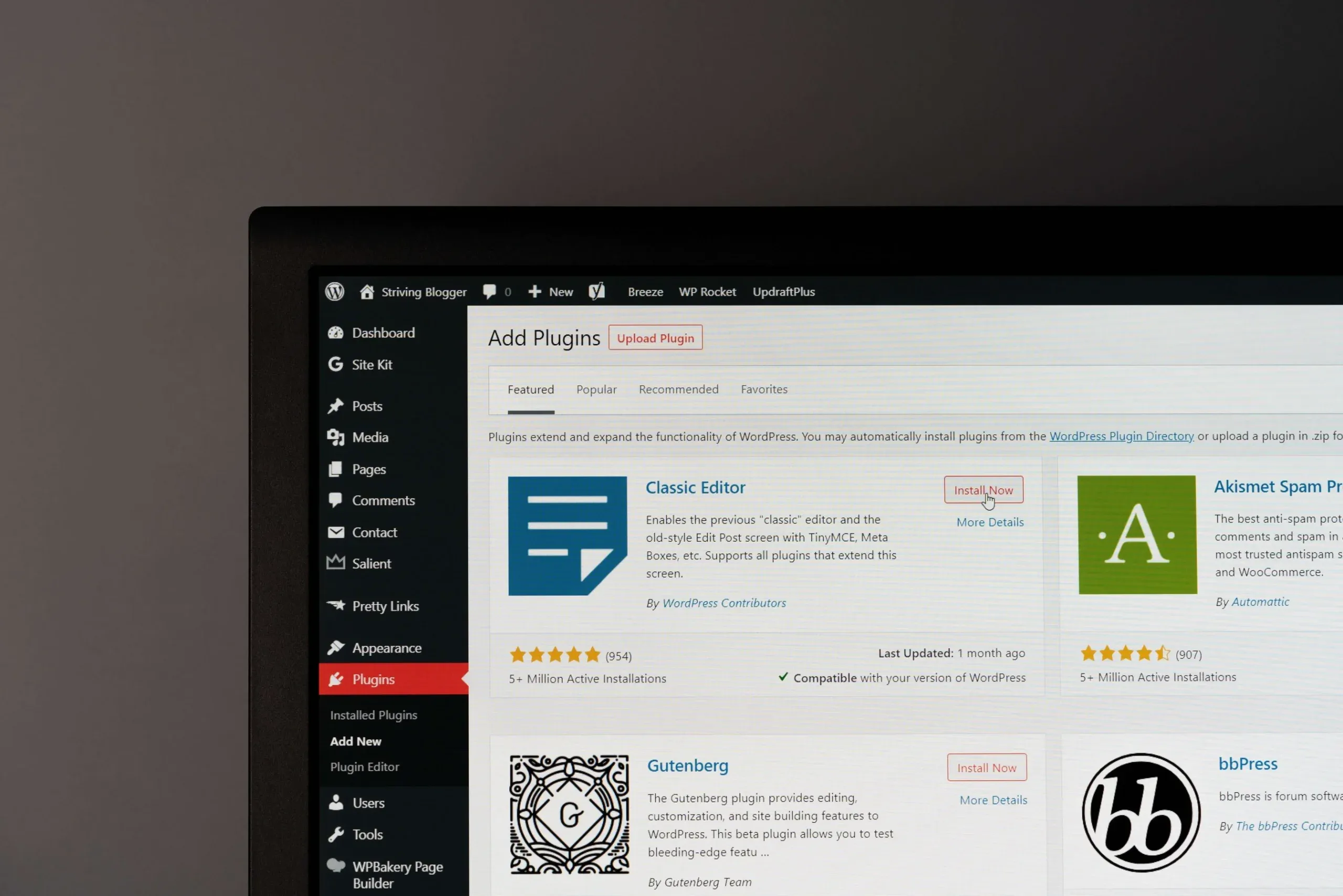
WordPress remains a strong CMS choice in 2023 because it solves practical business problems: editorial control, flexible content modeling, mature plugin infrastructure, WooCommerce, and a large developer ecosystem. It is not the right tool for every product, but for many content-heavy websites it remains a dependable choice.
01
WordPress is still strong where content matters
For teams that publish often, the CMS experience matters as much as the frontend. Editors need drafts, revisions, media management, roles, previews, taxonomies, and an admin interface they can understand without engineering support every day.
WordPress continues to do that well in 2023. The block editor gives teams a more flexible page-building model, while custom fields and custom post types make structured content possible when projects need more discipline.
The block editor changed the editing model
Gutenberg has matured into a serious editing experience. It allows teams to build richer layouts without giving every editor full design control over the website.
Used well, blocks can create a healthy middle ground:
Editors can compose pages from approved patterns.
Developers can keep markup, performance, and accessibility under control.
Designers can preserve consistency across repeated content types.
Site owners can update content without rebuilding templates.
The key phrase is “used well.” A careless block setup can become messy quickly. A good WordPress implementation still needs a strong content model.
Custom themes still matter
WordPress is often criticized because many sites rely on bloated themes and too many plugins. That criticism is fair, but it is not an argument against WordPress itself. It is an argument against poor implementation.
A custom WordPress theme can still be lean, fast, accessible, and maintainable. The strongest WordPress projects usually avoid generic theme stacks and instead focus on:
Purpose-built templates.
Structured content fields.
Minimal plugin usage.
Clear editorial workflows.
Performance budgets.
Accessible components.
01
02
WooCommerce kept WordPress relevant for commerce
WooCommerce remains one of the main reasons businesses choose WordPress in 2023. It gives teams a path from content site to store without moving to a completely separate platform.
For simple and medium-complexity commerce, WooCommerce can be a practical fit. It works especially well when product content, editorial content, landing pages, and search visibility all matter together.
It is not ideal for every store. High-volume commerce, complex inventory, and deeply custom checkout flows may need a more specialized architecture. But for many businesses, WooCommerce remains a serious option.
The ecosystem is still a real advantage
WordPress has a large ecosystem of developers, hosting providers, plugins, agencies, documentation, and operational knowledge. That matters when a business wants a website it can maintain for years.
The ecosystem can also create risk. Too many plugins, abandoned dependencies, and page-builder lock-in can make a site fragile. The value comes from choosing carefully, not from installing everything available.
Performance depends on implementation
WordPress can be slow, but it does not have to be. Most performance problems come from heavy themes, unnecessary plugins, unoptimized images, poor hosting, render-blocking assets, and careless third-party scripts.
A strong WordPress build should include:
Image compression and modern formats.
Cache strategy at page and object level where appropriate.
Minimal JavaScript.
Critical CSS discipline.
Clean font loading.
Plugin audits.
CDN and hosting decisions that match traffic patterns.
Accessibility and governance
For organizations with many editors, governance matters. WordPress can support accessibility and consistency when the editing model is intentionally constrained.
That means designing blocks and fields so editors can publish good content without breaking headings, color contrast, button labels, or layout structure. The CMS should make the right thing easy.
01
02
When WordPress is a good choice
WordPress is a strong fit when a project needs:
Frequent publishing.
Editorial workflows.
Marketing pages.
Custom content types.
WooCommerce.
A large pool of maintainers.
Fast delivery without inventing a CMS from scratch.
When WordPress is not the best choice
Consider another stack when the product is mostly application logic, real-time collaboration, complex permissions, or a highly interactive authenticated interface. In those cases, a framework-first architecture may be clearer.
Final thought
WordPress remains relevant in 2023 because it keeps solving real content and business problems. The best results come from treating it as a flexible CMS foundation, not as a shortcut. With a clean custom theme, careful plugin choices, and a strong content model, WordPress can still be a high-quality choice.
I've been building for the web since 2001. Full stack development across Vue, Nuxt, Astro, TypeScript, C#, .NET, and PostgreSQL, among others, with a habit of writing down what actually worked and what didn't once the dust settles.